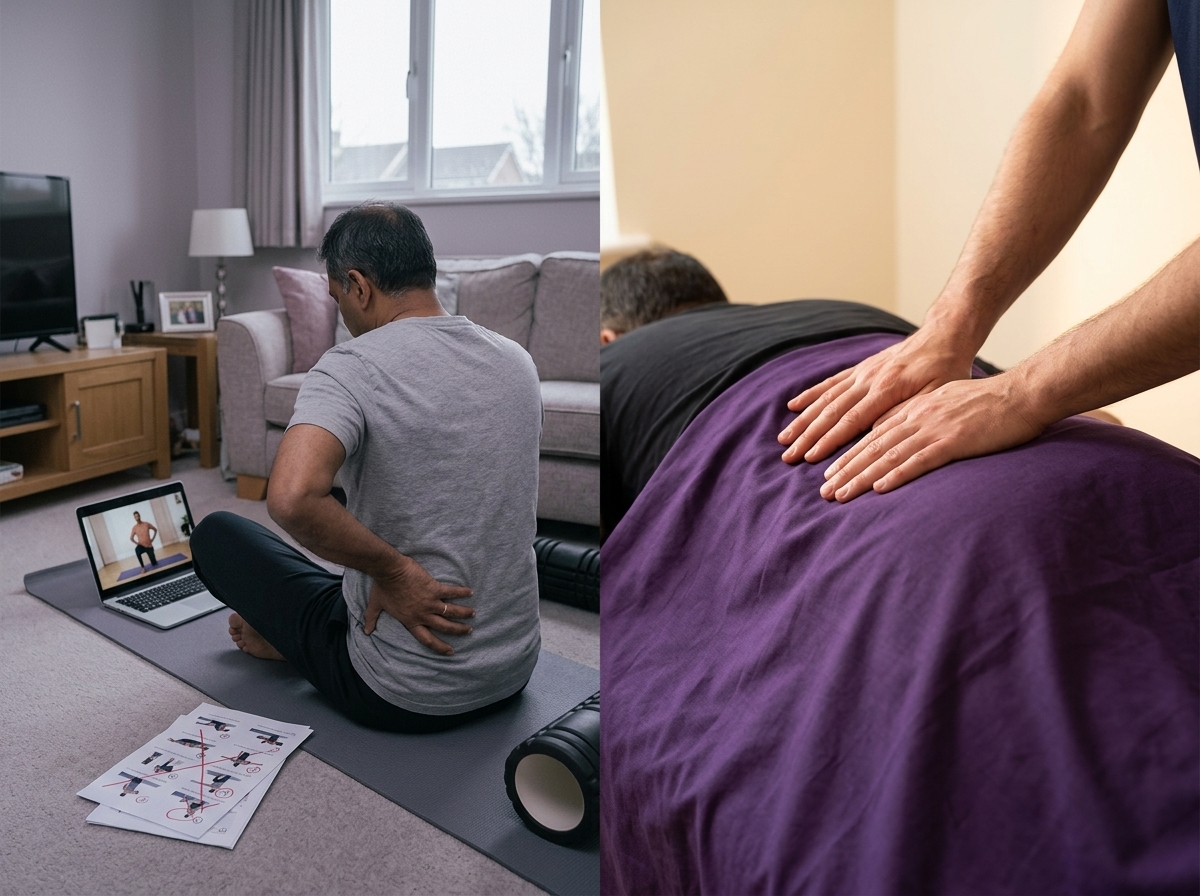
Scrolling through endless back pain exercises online can feel like shouting into the void when bending or standing still hurts. Many try stretching and strengthening everything at once, only to find some moves ease pain one day and flare it the next. The key to effective lower back pain exercises at home is matching your routine to what actually irritates your back—and knowing when to focus on mobility, strength, or rest. Let’s explore how a simple assessment can guide you safely towards relief. For more information, you can visit AARP’s guide on exercises for lower back pain.
Common Mistakes with Home Exercises
Identifying what doesn’t work is the first step to finding what does. Understanding common pitfalls can help you make better choices in your exercise routine.
Misunderstanding Pain Triggers
Many people assume all back pain comes from the same root causes, leading them to try exercises that might not be suitable. You need to pinpoint what movements cause your discomfort. Are certain activities like bending or twisting particularly painful? Finding these triggers is crucial. Once you know them, you can avoid worsening your condition. For example, if forward bends hurt, exercises like seated forward folds might not be ideal. Instead, focusing on what’s safe and helpful for you can lead to more effective back pain relief at home.
The One-Size-Fits-All Trap
It’s tempting to believe that a popular routine will work for everyone, but that’s not always the case. Generic routines might not consider your unique pain pattern or history. For instance, sciatica exercises that work wonders for someone else might not suit your needs if your issue stems from lower back stiffness. Tailoring your program is key. A plan that considers your specific situation is much more effective than following a generic guide.
Importance of Personalised Plans
A personalised exercise plan is not a luxury; it’s a necessity. By focusing on your individual needs, you can make your routine much more effective. Personalisation helps you address not just symptoms, but the underlying issues causing your pain. This approach can be transformative, offering real, lasting relief. For those living in Chelmsford, a back pain assessment at Revive Health Chelmsford can be a great starting point.
Understanding Your Pain Pattern

Once you’ve avoided common mistakes, it’s time to delve into understanding your pain. Knowing your pain pattern helps in creating a plan that works for you.
Identifying Movement Limits
Recognising your movement limitations is crucial. Are there specific movements that aggravate your pain? Knowing these can guide your exercise choices. For example, if twisting causes sharp pain, you might need to avoid certain yoga poses. Instead, focus on exercises that don’t trigger discomfort. This awareness allows you to work within your limits, promoting healing rather than causing additional stress on your body.
Stages of Recovery Explained
Recovery isn’t a straight line; it’s a process with distinct stages. Initially, rest might be necessary to reduce inflammation. Later, gentle exercises can promote mobility. Gradually, you’ll incorporate strengthening exercises to support your back. Understanding which stage you’re in ensures you’re doing the right work at the right time. This guided approach can prevent setbacks and promote steady progress.
Tailoring Exercises to Your Needs
Tailoring your exercises means choosing movements that support your current recovery stage. If you’re experiencing lower back stiffness, focusing on gentle stretching and lumbar mobility might be beneficial. For those dealing with sciatica, exercises that carefully stretch the sciatic nerve can offer relief. Tailoring your routine ensures you’re not just going through the motions, but actively working towards recovery.
Choosing the Right Home Exercises

Choosing the right exercises means picking movements that align with your pain pattern and recovery goals.
Safe Lower Back Pain Exercises
When selecting exercises, safety should be your top priority. Safe exercises are those that don’t exacerbate pain. For instance, pelvic tilts and knee-to-chest stretches can be gentle yet effective for lower back pain relief. These exercises support your spine in a controlled manner, reducing the risk of injury. For more guidance, consider exploring safe home exercises for back pain.
Effective Sciatica and Lumbar Mobility
For those with sciatica, specific exercises can help alleviate discomfort. Leg raises and sciatic nerve stretches can be particularly beneficial. These exercises focus on improving lumbar mobility, which can ease sciatic pain. By incorporating these into your routine, you can work towards reducing symptoms and enhancing flexibility.
Core Strengthening for Lasting Relief
Strengthening your core is essential for long-term back health. Exercises like planks and bridges can build core strength, providing better support for your spine. A strong core can help prevent future discomfort and promote lasting relief. For more exercises to strengthen your back without causing pain, check out Lower Back Strengthening Exercises: Build Support Without Flaring Your Pain.
Frequently Asked Questions
What is the best exercise for lower back pain?
The best exercise depends on your specific condition. Generally, gentle stretches like pelvic tilts or knee-to-chest exercises are recommended. They help improve flexibility and reduce tension without straining your back.
How can I prevent my exercises from making my back pain worse?
To avoid worsening your pain, make sure to identify and respect your movement limits. Choose exercises that don’t trigger discomfort, and gradually increase intensity as your strength and flexibility improve.
Are there any exercises I should avoid with lower back pain?
Avoid exercises that cause sharp or intense pain, such as heavy lifting or twisting movements. It’s crucial to listen to your body and modify exercises to suit your current capabilities.
How often should I perform these exercises for back pain?
Aim to perform exercises 3-5 times a week, depending on your pain levels and recovery stage. Consistency is key, but ensure you’re not overexerting yourself.
Can I do these exercises if I have sciatica?
Yes, many exercises for lower back pain also benefit sciatica. Focus on those that gently stretch and strengthen the lower back and improve lumbar mobility. Always consult with a professional if you’re unsure.
Leave a Reply